Table of Contents
- Maryland Home Selling
- Which Areas in Maryland Offer the Best Return on Investment and Are Easiest for Residential Property Development?
- What Home Styles, Sizes, and Features Tend to Sell Fastest in the Maryland Market?
- What Should Home Sellers Know About Zoning Laws, Permits, and Regulatory Requirements in Maryland?
- Which Towns or Cities in Maryland Are the Easiest, and Hardest, When It Comes to Navigating Real Estate Regulations?
- What Are the Most Effective Flipping and Resale Strategies for Maximizing Profit in Maryland's Housing Market?
- How Should Sellers Price Their Homes to Attract Buyers While Maximizing Value in Maryland?
- Which Key Economic, Social, and Regulatory Factors Are Driving Current Trends in Maryland's Local Property Markets?
Maryland Home Selling
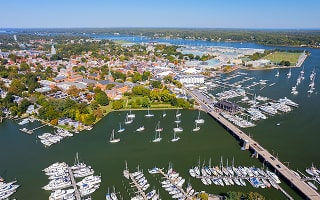
The Maryland housing market is gradually shifting away from the extreme seller's market witnessed in recent years and toward a more balanced market. While inventory is growing, supply continues to lag behind demand, with roughly 3 months of supply as of September 2025.
The median home price across Maryland is about $436,000, marking a 1% increase over the past year and matching the national median of around $435,000. Compared to neighboring Washington D.C., ($675,000), Maryland offers a much more affordable entry point, but remains considerably more expensive than Pennsylvania ($306,500) and West Virginia ($239,700).
On average, about 5,000-6,000 homes are sold each month in Maryland, with properties spending a median of 42 days on the market (DOM) as of September 2025. While homes tend to sell faster in Maryland than the 51-day median DOM nationwide, this figure represents an 11-day increase from the prior year. This pace is similar to other Mid-Atlantic states, which typically saw homes sell in 35-40 days.
In terms of construction activity, Maryland accounted for just 1.2% of new housing permits in 2024, authorizing 2.69 new privately owned units per 1,000 residents. As the 18th-largest state, Maryland accounts for nearly 2% of the nation's population, ranking it near the bottom of the pack for construction activity. The slow pace of homebuilding has contributed to affordability problems and a 96,000-unit housing shortage statewide, which resulted in a recent executive order to boost housing production.
Maryland's property tax rate of 1% (varies by county) puts it slightly above the U.S. median of around 0.83%. While property taxes in nearby states like New Jersey and Pennsylvania are significantly higher than in Maryland, the Old Line State's tax rates exceed those of Virginia, Delaware, West Virginia, and Washington, D.C.
Foreclosures in Maryland remained well above national rates in Q3 2025, with one foreclosure for every 1,058 housing units. The state's foreclosure rate puts it at number seven nationally, contributing to some price volatility and creating additional opportunities for investors to acquire distressed properties.
Which Areas in Maryland Offer the Best Return on Investment and Are Easiest for Residential Property Development?
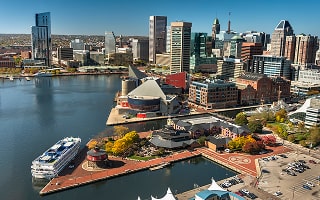
With a mix of housing demand, affordability, and strong growth indicators, the Maryland housing market presents developers and real estate investors with varying investment opportunities for different strategies and budgets. From value-packed rental properties in urban areas to high demand in its suburbs markets, the state is one of the best places to invest in rental properties. With its proximity to Washington, D.C., Philadelphia, and New York, Maryland generally offers an excellent balance between job growth, affordability, location, and population density.
While each neighborhood in Maryland offers different options for real estate investment, these target markets may offer potential for a higher return on investment (ROI):
-
Baltimore: Some of the city's zoning codes encourage mixed-use housing and redevelopment. The city is also a hotbed for distressed and vacant properties, offering investors the opportunity to acquire homes below market value.
-
Frederick: This city is one of the fastest-growing areas in the state thanks to its highly-rated schools, convenient location, and lifestyle amenities. In addition, its business-friendly permitting process (like its One-Stop-Shop for same-day permitting) makes renovations and additions relatively easy for real estate investors.
-
Rockville: With its proximity to Washington, D.C., this city is packed with federal workers, professionals, and contractors. A stable tenant pool provides investors with opportunities for small multiunit development or townhomes.
-
Silver Spring: Situated just outside Washington, D.C., Silver Spring attracts remote workers and young professionals who want to live close to the capital. With average rents of $2,250 per month, the area offers good potential for rental property investors.
-
Annapolis: As the state's capital and one of its most popular vacation destinations, Annapolis has relatively strong short- and long-term rental demand, driven by government jobs, maritime work, and tourism.
-
Columbia: This city ranks among the best places to live in the United States, with higher rental rates than in several other areas in Maryland. The mix of old and new homes allows investors to pick from a diverse selection of real estate investment options.
-
College Park: Anchored by the University of Maryland, College Park enjoys consistent rental demand from the university's 41,000 students and nearly 15,000 staff. With an average monthly rent of as much as $4,400, College Park offers an attractive option for investors seeking cash flows.
-
Bel Air: Bel Air's suburban market generates consistent rental demand. With lower median prices in the mid-300 thousands, this municipality attracts long-term tenants and family buyers, and may be a good option for first-time investors looking to start small and scale up.
-
Bowie: Located halfway between Annapolis and Washington, D.C., Bowie has a strong local economy and enjoys steady home price growth. As a result, Bowie has become one of the most popular places in Maryland to invest in real estate.
-
Hagerstown: This development-friendly city offers certain incentives for property rehabilitation and urban infill. In addition, the local market offers more affordable homes, creating additional opportunities for a potentially higher ROI.
What Home Styles, Sizes, and Features Tend to Sell Fastest in the Maryland Market?
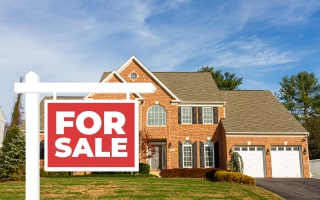
As a home seller, the quicker you sell a home, the better. Properties that sit on the market often draw skepticism from buyers, and tend to attract lowball offers. Homes in Maryland typically sell in around 40 days, but the time a property spends on the market can vary significantly based on its location, features, price, and other factors, such as the time of year. For example, the Maryland housing market sees high sales activity during the spring and summer, but slows down during late fall and winter. As a result, homes generally sell faster in the state between March and June.
Homes that tend to sell fastest in Maryland typically have certain characteristics that make them stand out and generate more buyer interest. Some of these features include the following:
-
![]() Bedrooms: In Maryland, homes with 3-4 bedrooms and at least 2 bathrooms are considered mid-size. They're ideal for growing families and professionals working in nearby metros like Baltimore and Washington, D.C., and are in especially high demand in places like Bowie, Columbia, and Silver Spring.
Bedrooms: In Maryland, homes with 3-4 bedrooms and at least 2 bathrooms are considered mid-size. They're ideal for growing families and professionals working in nearby metros like Baltimore and Washington, D.C., and are in especially high demand in places like Bowie, Columbia, and Silver Spring.
-
![]() Size and Lot: Maryland homes sitting on 0.25- to 0.5-acre lots and measuring between 1,500 and 2,000 square feet are highly desirable for expansion opportunities. They tend to sell faster in Bel Air, where most homebuyers value large spaces and a suburban lifestyle with a small-town feel. These types of homes are also in high demand in areas such as Frederick and Laurel, where people appreciate mid-sized living areas with larger lots.
Size and Lot: Maryland homes sitting on 0.25- to 0.5-acre lots and measuring between 1,500 and 2,000 square feet are highly desirable for expansion opportunities. They tend to sell faster in Bel Air, where most homebuyers value large spaces and a suburban lifestyle with a small-town feel. These types of homes are also in high demand in areas such as Frederick and Laurel, where people appreciate mid-sized living areas with larger lots.
-
![]()
Style: Fast-selling home styles in Maryland include the following:
-
Colonial Style Homes: These are popular and sell fast in established neighborhoods like Rockville, Bowie, and Bel Air. They often have strong resale value and timeless curb appeal, and are generally popular with upper-middle-class buyers.
-
Craftsman-Style Homes: These home styles tend to sell fast because they typically feature classic exteriors with modern interiors and architectural details. In Maryland, they appeal to young professionals and millennials, and are usually found in historic districts like Takoma Park, Hyattsville, and Annapolis.
-
Townhomes: These are mostly found in mixed-use developments and job centers in areas like Columbia, Silver Spring, and Waldorf, and are generally popular among commuters and first-time home buyers. They tend to sell fast because they're affordable and often easy to maintain.
-
Ranch-Style Homes: From Frederick, where they're in high demand by retirees, to Glen Burnie, where they sell fast due to location and price, ranch-style homes are typically affordable and easy to expand, renovate, and maintain.
-
Split-Level Homes: These tend to sell faster because they're easy to update due to their flexible floor plans, and can be quickly resold at a profit. In Maryland, they're popular in areas such as Severna Park, Lanham, and Ellicott City.
-
-
![]() Modern Upgrades: Homes with modern upgrades, like energy-efficient appliances, updated bathrooms and kitchens, solar panels, energy-efficient HVAC systems, open floor plans, and good curb appeal, tend to sell fastest in Maryland because they're typically move-in ready. They're highly sought after in places like Columbia, Hyattsville, and Waldorf.
Modern Upgrades: Homes with modern upgrades, like energy-efficient appliances, updated bathrooms and kitchens, solar panels, energy-efficient HVAC systems, open floor plans, and good curb appeal, tend to sell fastest in Maryland because they're typically move-in ready. They're highly sought after in places like Columbia, Hyattsville, and Waldorf.


What Should Home Sellers Know About Zoning Laws, Permits, and Regulatory Requirements in Maryland?
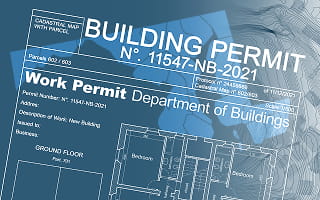
Zoning laws and regulatory requirements generally determine how land can be used and may impact things like density, setbacks, and building height. Regulatory factors can also dictate the scale of development permitted on any property. To maximize ROI, investors and developers must understand the local zoning ordinances and ensure ongoing compliance.
In addition to the statewide requirement to furnish buyers with a residential property disclosure statement (per Section 10-702 of the Maryland Code), many homebuyers request a Zoning Verification Letter (ZVL) or Zoning Confirmation Letter to use as a reference point and formally confirm zoning status and permitted uses. In some cases, this letter can verify that there are no unresolved zoning violations at the time of issue.
To maximize property value, minimize potential legal risks, and ensure smoother transactions, home sellers in Maryland should consider the degree of real estate regulations by location before investing in any project or property:
-
Areas with strict zoning laws: Additions, renovations, or conversions are challenging in these areas due to their highly regulated development standards and strong neighborhood preservation efforts. Home sellers should be cautious when converting basements to livable spaces or altering home footprints. For instance, Chevy Chase's local ordinances strictly limit fencing, subdividing lots, and certain types of exterior alterations. Similarly, Bethesda has strict lot coverage rules and density controls, along with broad controls for maximum height, teardowns, and parking for infill development.
-
Areas with less bureaucratic zoning laws: In Maryland, these areas include Glen Burnie and Hagerstown. They have more flexibility in land use, a simplified permitting process, and are popular for their developer-friendly policies. Home sellers who like to add value to property through decks, accessory dwelling units (ADUs), or garage conversions will find these places particularly appealing.
In Maryland, these areas include Glen Burnie and Hagerstown. They have more flexibility in land use, a simplified permitting process, and are popular for their developer-friendly policies. Home sellers who like to add value to property through decks, accessory dwelling units (ADUs), or garage conversions will find these places particularly appealing. -
Areas Requiring Special Permits: In these areas, any structural amendment or changes beyond standard zoning allowances or conversion uses, such as single-family to multifamily, typically require approval through a public hearing. For example, in Towson, duplex conversions generally require the approval from the Office of Administrative Hearings, while in Silver Spring, the Board of Appeals' approval is needed for large additions or multifamily conversions.
-
Areas Requiring a Certificate of Occupancy (CO) Before Legal Occupation: Home sellers who complete new builds or renovations in certain municipalities are typically required to obtain a CO to certify that the property is safe for use and code-compliant. Without the CO, the property can't legally be occupied. For instance, Baltimore requires a CO for changes of use, new construction, and several major alterations. Sellers in these areas should confirm with the building department, as requirements vary by project type.
-
Areas with Historic Preservation Requirements: These are historic districts in Maryland where any changes to a property, particularly those to the home's exterior, require a historic preservation commission's approval. Changes may be as minor as window replacement or updating paint colors. In Ellicott City, for example, the Historic Preservation Commission (HPC) must approve visible exterior modifications and material use to ensure the 18th- and 19th-century look is preserved. Similarly, in Annapolis and Frederick's Historic District, the relevant authorities typically review exterior renovations for historical appropriateness.
Which Towns or Cities in Maryland Are the Easiest, and Hardest, When It Comes to Navigating Real Estate Regulations?

From the coastal charm of the Eastern Shore to the rural expanse of Western Maryland, the state's varied landscape offers something for all types of real estate investors. With its proximity to metro areas like Washington, D.C. and Philadelphia, it's clear why Maryland appeals to many investors and developers.
However, it's important to understand how to navigate local real estate regulations in any part of the state where you intend to invest or develop, and stay compliant with these rules to maximize property value and avoid legal disputes.
Before investing, some considerations around real estate regulations in Maryland include the following:
Development-Friendly Areas

In Maryland, these areas are generally known for being pro-development. They often include more relaxed oversight by relevant authorities, streamlined permitting processes, and clear local zoning laws. These areas may also offer incentives that reduce bureaucracy and allow fast-tracking for qualified building projects. Maryland municipalities that are development friendly include the following:
- Frederick: This city offers expedited review timelines within designated areas. In addition, Frederick's downtown revitalization plan generally encourages city core development.
- Hagerstown: Hagerstown has adaptive reuse policies and certain economic revitalization incentives to encourage real estate development. The city also offers infill development support and the Board of Zoning Appeals tends to be more helpful in successfully guiding developers through the process of obtaining variances.
- Salisbury: In addition to offering fast-tracked permits for mixed-use and residential projects, Salisbury typically provides tax incentives to attract developers. The city's site plan review process is also simplified.
Moderately Regulated Areas
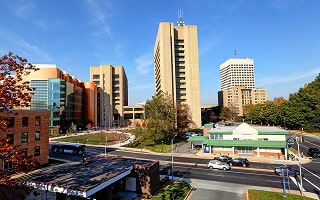
In these places, zoning is enforced, regulations are clear, and restrictions exist, but they still find a way to strike a balance to encourage development. Real estate projects are routinely reviewed, which may sometimes involve moderate public input. Places with moderate real estate regulations in Maryland include the following:
- Towson: Although zoning codes can be layered and complex, public-private partnership support is strong in commercial zones of the community. Development near traffic-sensitive areas or schools may prompt some impact analysis.
- Annapolis: Annapolis has strict historic preservation laws but encourages new development with reasonable permitting pathways. Recently, the City Council also placed severe limits on short-term rentals, restricting short-term rentals to no more than 10% on a blockface.
- Rockville: While the city sometimes witnesses community opposition to dense development, there are clear processes for real estate development and predictable approval timelines.
Highly Restrictive or Bureaucratic Areas
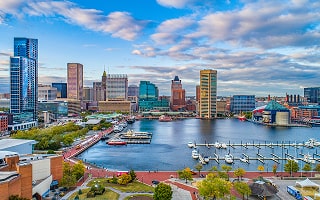
These areas are popular for layered overlays, strong NIMBYism (particularly against multifamily housing), slow public-hearing chains and review, and single-family/historic zoning. In addition, zoning is generally complex in such municipalities, which may include the following:
- Baltimore: Some neighborhoods in Baltimore face red tape like layered zoning overlays and zoning appeal review, as well as design review in historic zones. In other areas, a CO is required before occupancy or after certain work.
- Chevy Chase: Restrictive zoning around single-family neighborhoods and vocal NIMBYism can complicate development projects. The permitting process is also generally slow, and multiple rounds of hearings may be required for certain approvals.
- Takoma Park: This community has strict housing and environmental policies, as well as robust tenant protections and historic preservation rules.
- Silver Spring: Despite being designated for denser development, Silver Spring typically witnesses strong community opposition to pilot projects, which at times may result in rezoning cases.
Regulatory Climate Factors

Regulatory climates can greatly influence how difficult or easy property development, flipping, or renovation can be, and they largely differ by location. The table below outlines varying real estate regulatory factors in Maryland, their impact on development, and the neighborhoods where they're typically found:
Factor |
Impact on Development |
Where It's Found |
|---|---|---|
Zoning Flexibility |
Determines ease of land use |
Dunkirk, Lakelands, Clarksburg, Charles County, Prince Frederick, and Kentlands |
Historic Preservation Laws |
Adds restrictions |
Ellicott City, Annapolis, Chestertown, Bolton Hill, and Mount Vernon |
Wetlands/Conservation |
Limits buildable land |
Talbot County, Baltimore County, Dorchester County, Montgomery County, and Caroline County |
Inclusionary Zoning |
Requires affordable units |
Baltimore, Largo, Silver Spring, Hyattsville, and Wheaton |
Building Code Enforcement |
Affects cost/speed |
Edgewater, Baltimore, Mount Airy, Columbia, and Severna Park |
Local Politics/NIMBYism* |
Blocks or delays projects |
Ellicott City (historic district), Chevy Chase, Annapolis, Silver Spring, Potomac, and Bethesda |
*NIMBYism - Not in My Backyard
What Are the Most Effective Flipping and Resale Strategies for Maximizing Profit in Maryland's Housing Market?

Generating a high ROI from flipping requires the adoption of certain strategies, which usually revolve around renovating, marketing, networking, negotiating, pricing, and finding the right property. House flipping typically involves purchasing a property at a discounted price, renovating it, and selling it as quickly as possible at a higher price.
While you don't need a real estate license to flip houses in Maryland, getting the appropriate permits, which may include plumbing permits, building permits, mechanical permits, and gas permits, is crucial. This helps ensure that all renovations comply with local building codes and regulations. In addition to these permits, successful flipping requires knowing the right strategies to use and where to use them. Some of the most effective flipping and resale strategies that can help you increase the chances of maximizing profit in Maryland are listed below:
-
![]()
Target Distressed or Foreclosed Homes: This involves buying distressed or foreclosed properties below market value and reselling quickly after renovation. It works well in places like Baltimore, where there's a high inventory of distressed and foreclosed homes, and in Essex, with aging stock that's due for modern upgrades.
-
![]()
Use the 70% Rule: The formula for the 70% rule is [Maximum Offer = (ARV x 70%) - Repair Costs]. This strategy works well in Frederick, where properties have strong buyer demand and resale values, and appreciate steadily. Using this strategy, a flipper can help ensure that the purchase price of a property doesn't exceed 70% of the home's after-repair value (ARV) minus renovation costs. This way, they're still able to make reasonable returns on their investment, even if unexpected costs arise.
-
![]()
Try Wholetailing for Speed: This is an excellent flipping strategy in areas like Laurel, Suitland, and Capitol Heights, due to strong buyer demand. These places are generally high turnover zones for first-time buyers looking to purchase move-in-ready homes, and who are willing to pay a premium for even minor upgrades. The strategy primarily involves making light, cosmetic renovations to a property and quickly reselling it.
-
![]()
Build Strong Deal Pipelines with Lead Gen: To scale your flipping operations, you can source direct-to-seller properties in places like the Baltimore Metro Area, where there are several off-market leads and a high volume of inherited properties and absentee owners. Finding motivated sellers via mail or cold calling may also prove easier in places like Salisbury and Cambridge.
-
![]()
Renovate with Quality, Don't Cut Corners: For a good ROI, flippers should consider renovating properties with quality materials in places like Bowie and Columbia, where homebuyers expect high-quality finishing and interiors. Typically, homes renovated with quality materials stand out and enable flippers to justify higher resale pricing.
-
![]()
Follow the Buy, Rehab, Rent, Refinance, Repeat Method (BRRRR): This strategy is perfect for flippers looking to build a long-term rental portfolio while recycling capital. It's effective in municipalities like Elkton and Salisbury, where there's steady rental demand. The housing market in Salisbury, for instance, sees strong rental demand from healthcare workers and students.
-
![]()
Try Micro-Flipping (Digital Wholesaling): In rapidly developing places like Hyattsville and Lanham, where there are plenty of motivated sellers, and in areas like Baltimore with plenty of vacant homes, tech-savvy flippers may resell contracts quickly through digital real estate platforms like BatchLeads and PropStream.
-
![]()
Go Beyond Cosmetic Work (Value-Add Flipping): This flipping strategy helps maximize property value by making additions (like adding bathrooms or bedrooms) or conversions (like rowhomes or single-family homes to duplexes). It works best in areas like Charles Village, Takoma Park, and Remington, where conversions and additions are legally permitted.
-
![]()
Buy at Auction and Off Market: Sheriff sales and tax auctions in areas like Baltimore offer experienced flippers the chance to buy properties below market value and resell them for a profit. Similarly, in Garrett and Allegany counties, flippers are offered low-cost entry points in estate sales and courthouse auctions.
-
![]()
Stage and Price Strategically: This strategy involves getting a professional to help enhance a property to make it appealing to potential buyers, and setting a competitive price that justifies the value. Staged properties tend to sell faster, helping investors generate a healthy ROI in places like Rockville, Annapolis, and Silver Spring.


How Should Sellers Price Their Homes to Attract Buyers While Maximizing Value in Maryland?

Pricing a property right is crucial to attracting buyers and maximizing profits. Typically, you should work with a local real estate agent who can run a comparative market analysis (CMA) and assess recently sold similar properties in the locality. By conducting a CMA, an agent or appraiser can determine a competitive price that reflects the property's true value amid prevailing local market conditions.
Some popular pricing strategies home sellers can adopt in Maryland to attract potential buyers include:
-
![]() Pricing Just Below Below Market Thresholds: This is effective in places like Glen Burnie, Waldorf, Frederick, and Upper Marlboro, where home prices just under common buyer thresholds (search limits) tend to appeal to both conventional and FHA buyers. When you list a home at $299,900 instead of $300,000, it's bound to drive more traffic, particularly from individuals whose budgets are capped at specific price thresholds.
Pricing Just Below Below Market Thresholds: This is effective in places like Glen Burnie, Waldorf, Frederick, and Upper Marlboro, where home prices just under common buyer thresholds (search limits) tend to appeal to both conventional and FHA buyers. When you list a home at $299,900 instead of $300,000, it's bound to drive more traffic, particularly from individuals whose budgets are capped at specific price thresholds.
-
![]() Charm Pricing (Psychological Pricing): This pricing method offers a subtle psychological edge that involves listing prices with ending numbers that make home prices appear lower than they are. For instance, pricing a property at $455,500 instead of $460,000 may psychologically appeal to cautious buyers in higher-end housing markets like Columbia, Rockville, and Silver Spring.
Charm Pricing (Psychological Pricing): This pricing method offers a subtle psychological edge that involves listing prices with ending numbers that make home prices appear lower than they are. For instance, pricing a property at $455,500 instead of $460,000 may psychologically appeal to cautious buyers in higher-end housing markets like Columbia, Rockville, and Silver Spring.
-
![]() Pricing to Create a Bidding War: This is a suitable pricing strategy in places like Towson, Takoma Park, and Bowie, which often feature top schools and generate strong demand from buyers with families. Pricing to create a bidding war involves listing a property just below market value to engineer a sense of urgency and attract multiple offers. The aggressive price point can spark fierce competition, often leading to a higher sale price.
Pricing to Create a Bidding War: This is a suitable pricing strategy in places like Towson, Takoma Park, and Bowie, which often feature top schools and generate strong demand from buyers with families. Pricing to create a bidding war involves listing a property just below market value to engineer a sense of urgency and attract multiple offers. The aggressive price point can spark fierce competition, often leading to a higher sale price.
-
![]() High-Anchor Pricing (Test the Waters): Listing a property at a high price to test buyer interest and create a sense of premium value, with the plan of reducing the price (if necessary) after negotiation, is effective in places like Annapolis, Potomac, and Bethesda. Many buyers in these municipalities are emotionally driven and usually like to negotiate.
High-Anchor Pricing (Test the Waters): Listing a property at a high price to test buyer interest and create a sense of premium value, with the plan of reducing the price (if necessary) after negotiation, is effective in places like Annapolis, Potomac, and Bethesda. Many buyers in these municipalities are emotionally driven and usually like to negotiate.
-
![]() Price-Per-Square-Foot Benchmarking: This strategy helps prevent overpricing by using local comparables to set a price based on square footage in line with area averages. It's best for markets with a high volume of suburban single-family homes, like Ellicott City and Columbia, and in areas with newer builds and predictable layouts, like Mount Airy and Frederick.
Price-Per-Square-Foot Benchmarking: This strategy helps prevent overpricing by using local comparables to set a price based on square footage in line with area averages. It's best for markets with a high volume of suburban single-family homes, like Ellicott City and Columbia, and in areas with newer builds and predictable layouts, like Mount Airy and Frederick.
-
![]() Appraisal-Backed Pricing: This pricing method is recommended in declining, fluctuating, or inconsistent housing markets that are difficult to comp, like Cambridge, Baltimore, and Salisbury. It requires using the value of a recently appraised property to set a price to reduce the risk of appraisal gaps and financing snags, particularly in deals involving FHA or VA financing.
Appraisal-Backed Pricing: This pricing method is recommended in declining, fluctuating, or inconsistent housing markets that are difficult to comp, like Cambridge, Baltimore, and Salisbury. It requires using the value of a recently appraised property to set a price to reduce the risk of appraisal gaps and financing snags, particularly in deals involving FHA or VA financing.
-
![]() Urgency Pricing (Motivated Seller Strategy): Urgency pricing signals buyers or investors by creating emotional urgency to encourage early offers and a quick close. It's most effective in estate sales, relocation sales, divorce sales, and under pre-foreclosure pressure, and may be adopted by sellers in places like District Heights, Capitol Heights, and Hagerstown.
Urgency Pricing (Motivated Seller Strategy): Urgency pricing signals buyers or investors by creating emotional urgency to encourage early offers and a quick close. It's most effective in estate sales, relocation sales, divorce sales, and under pre-foreclosure pressure, and may be adopted by sellers in places like District Heights, Capitol Heights, and Hagerstown.


Based on the market trends and conditions in their local area, home sellers can adopt the most appropriate pricing strategy from the table below when listing:
Market Condition |
Best Strategy |
|---|---|
Seller's Market |
Underpricing for a bidding war |
Buyer's Market |
Charm pricing or net-to-seller |
Unique, luxury home |
High-anchor + value justification |
Entry-level home |
Just below threshold |
Urgent sale needed |
Aggressive urgency pricing |
Flipper or investor listing |
Appraisal-backed or price-per-square-foot |
Which Key Economic, Social, and Regulatory Factors Are Driving Current Trends in Maryland's Local Property Markets?

The forces of demand and supply have a significant impact on the Maryland real estate market. For instance, it's typical for home prices to rise in a local market with limited or low housing supply, and vice versa. However, various factors, ranging from economic indicators and regulatory changes to demographic shifts, play a crucial role in determining property demand and supply trends, which ultimately drive conditions in local property markets.
![]() Economic Factors
Economic Factors
 Economic Factors
Employment, wage growth, inflation, and evolving jobs are some of the economic factors driving current trends in the state's local housing markets. For instance, a 3% annual increase in the Consumer Price Index and 4.3% jump in the shelter index are squeezing home affordability while moderating rent increases in the Baltimore-Columbia-Towson metro. Furthermore, rapid expansion of employment in places like Clarksburg and Frederick is attracting high-wage workers, pushing up demand for housing.
![]() Demographic and Social Factors
Demographic and Social Factors
 Demographic and Social Factors
Social and demographic factors like an aging population, cultural diversity, migration, household formation, and affordability gaps have an impact on the current trends in Maryland's property markets. For example, a growing population of older adults is contributing to higher demand for ADUs, single-story units, and other downsizing options in areas like Crownsville and Pasadena. In addition, the influx of immigrants in Baltimore and Prince George's counties has continued to drive demand for workforce and multifamily housing in these local markets.
![]() Regulatory and Legal Framework
Regulatory and Legal Framework
 Regulatory and Legal Framework
Regulatory factors like zoning laws and reforms, tenant protections, and rent stabilization generally impact home supply. For example, the More Housing NOW (New Options for Workers) initiative is a regulatory amendment aimed at tackling middle-income housing shortages in Montgomery County by allowing duplex and triplex development. Unfortunately, the rollout has been delayed due to strong local resistance in places like Chevy Chase and Bethesda. On the flip side, investor activity in regulated units is slower in Prince George's County as a result of enforced rent stabilization.
![]() Taxation and Fiscal Policy
Taxation and Fiscal Policy
 Taxation and Fiscal Policy
Factors like property tax policy, tax credits, transfer taxes, and housing subsidies impact investment and affordability in Maryland. For instance, in redevelopment areas like the Arundel Mills corridor, local tax increment financing (TIF) provides funding for local infrastructure, which in turn stimulates new housing supply, particularly in transit-oriented zones.
![]() Housing Policy and Government Programs
Housing Policy and Government Programs
 Housing Policy and Government Programs
Certain government housing policies and programs can shape housing supply and access through private-public partnerships, particularly those targeted at creating public and affordable housing. For example, Maryland is expected to deliver approximately 590,000 affordable and workforce housing units across several counties by 2045 under the State DHCD Housing Needs Assessment, which implies a potential increase in available housing inventory across the state.
![]() Infrastructure and Development Trends
Infrastructure and Development Trends
 Infrastructure and Development Trends
Utility extensions, major industrial projects, and transit expansions generally drive housing development and demand. For instance, Anne Arundel County has seen rising housing demand and the development of condos and townhomes due to its proximity to major employers like Cyber Command and the NSA. Moreover, infrastructure extension, including sewers, trails, and parks in Clarksburg, has encouraged rapid master-planned growth and densification.
The Maryland housing market currently has more buyers searching for homes than available homes for sale, fueling steady price appreciation. The trends observed in the state's property market are typically influenced by a complex interplay of various factors, including inventory levels, economic conditions, inflation, and local market dynamics. Generally, buyers show a preference for homes with 3-4 bedrooms, with at least 2 updated bathrooms, an updated kitchen, energy-efficient appliances, and good curb appeal.
Some of the best areas for real estate investment in Maryland with potential for high ROI include Baltimore, Columbia, Frederick, Salisbury, and Hagerstown. However, before investing, it's important to gain a clear understanding of local zoning laws, permitting processes, and regulatory requirements. In addition, setting the right pricing strategy for each area is key to attracting buyers, minimizing time on the market, and maximizing resale value.
Table of Contents
- Maryland Home Selling
- Which Areas in Maryland Offer the Best Return on Investment and Are Easiest for Residential Property Development?
- What Home Styles, Sizes, and Features Tend to Sell Fastest in the Maryland Market?
- What Should Home Sellers Know About Zoning Laws, Permits, and Regulatory Requirements in Maryland?
- Which Towns or Cities in Maryland Are the Easiest, and Hardest, When It Comes to Navigating Real Estate Regulations?
- What Are the Most Effective Flipping and Resale Strategies for Maximizing Profit in Maryland's Housing Market?
- How Should Sellers Price Their Homes to Attract Buyers While Maximizing Value in Maryland?
- Which Key Economic, Social, and Regulatory Factors Are Driving Current Trends in Maryland's Local Property Markets?